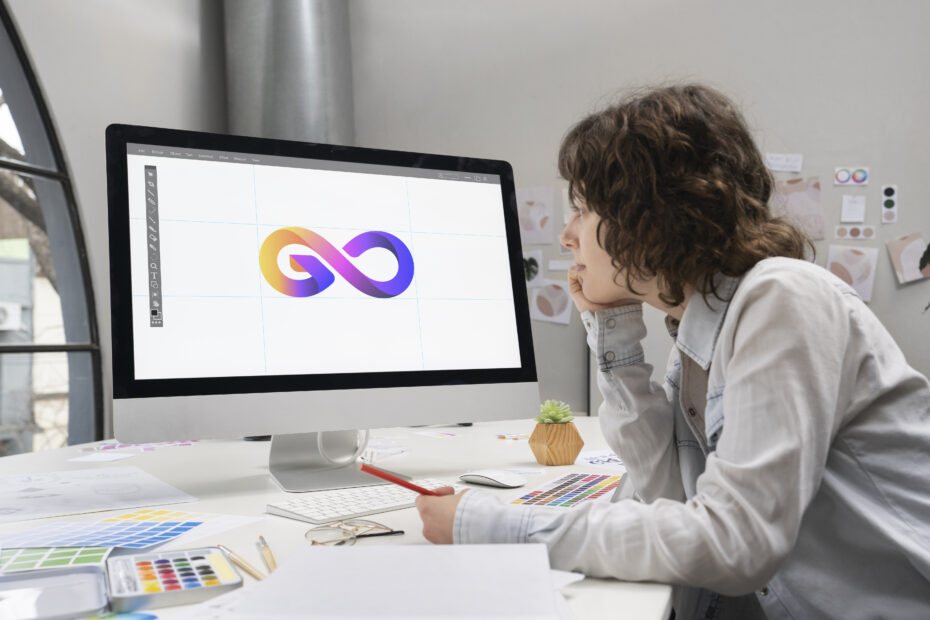
Vector graphics and raster graphics are two different types of graphics file formats that are commonly used in design and illustration. Understanding the differences between these two types of graphics can help you choose the best format for your project.

One key difference between vector and raster graphics is the way they are created. Vector graphics are created using mathematical algorithms, which allow them to be scaled to any size without losing quality. This is because vector graphics are not made up of pixels, but rather a series of points, lines, and curves that are mathematically defined. This means that when you resize a vector graphic, it is redrawn using the same mathematical algorithms, resulting in a clean and crisp image at any size.
Raster graphics, on the other hand, are made up of a grid of pixels, with each pixel representing a single color. Raster graphics cannot be resized without losing quality, as the pixels become stretched or compressed, resulting in a blurry or pixelated image. This is because the pixels in a raster graphic are fixed in size and cannot be redrawn or modified like vector graphics can.
Another difference between the two types of graphics is the way they are edited. Vector graphics can be easily edited and modified using a wide range of tools, such as the Pen Tool or Shape Tools in Adobe Illustrator. This is because vector graphics are made up of points, lines, and curves that can be manipulated individually. Raster graphics, on the other hand, are more difficult to edit and often require specialized software, such as Adobe Photoshop, to make changes. This is because raster graphics are made up of pixels, which cannot be easily modified without affecting the surrounding pixels.
Vector graphics are typically used for logos, icons, and other graphics that need to be resized or modified frequently, as they retain their quality when scaled up or down. Raster graphics are better suited for images with complex details, such as photographs, as they can capture a greater range of colors and shades.
In summary, vector graphics are created using mathematical algorithms and are easy to scale and modify, while raster graphics are made up of pixels and are more difficult to edit. Both types of graphics have their own unique uses and can be useful in different contexts. It is important to understand the differences between vector and raster graphics and choose the appropriate format for your project in order to achieve the best results.